
For a mild intolerance to alcohol, you don’t need to see a healthcare professional. Alcohol intolerance is a genetic condition in which the body can’t break down alcohol efficiently. To help with this, a person should document all of their symptoms and note how long after drinking alcohol they occur. With alcohol intolerance, these symptoms begin soon after consuming alcohol.
- However, it is important to note that alcohol intolerance can affect people of all races and ethnicities, although the prevalence is higher among individuals of Asian ancestry.
- If you’re not sure if you have alcohol intolerance or an alcohol allergy, talk to your doctor.
- Hives can also signal an alcohol-related allergy, so be on the lookout for other symptoms that are exclusive to alcohol intolerance.
- As always, speak with your doctor about any concerns or questions regarding your health.
- This interaction causes individuals to experience heightened symptoms like flushing, nausea, and headaches after drinking small amounts of alcohol.
Impact of Enzyme Deficiencies on Alcohol Metabolism
- If your doctor suspects you have a true allergy to alcohol or another ingredient typically found in alcoholic drinks, they’ll perform allergy testing.
- Collaborating with esteemed organizations like Epiphany Wellness and Ocean Recovery, Amanda has produced valuable and enlightening content that empowers individuals on their path to recovery.
- The Recovery Village Atlanta offers comprehensive addiction treatment for drug and alcohol addictions and co-occurring mental health conditions.
- It may also be helpful to keep track of what types of alcoholic beverages trigger your symptoms and avoid them in the future.
- Specifically, people with alcohol intolerance don’t have enough of the enzyme aldehyde dehydrogenase 2 (ALDH2).
This genetic condition causes unpleasant reactions when drinking alcohol, including flushed skin, nasal congestion, and rapid heartbeat. While often confused with an alcohol allergy, intolerance stems from the body’s inability to break down and process alcohol properly. While the inability to efficiently metabolize alcohol is the cornerstone of alcohol intolerance, reactions can also be triggered or worsened by other ingredients found in alcoholic drinks. Substances such as sulfites, histamine, and various grains used in the brewing and fermentation processes can contribute to intolerance symptoms.

What Are The Signs of Alcohol Intolerance?
Over-the-counter (OTC) or prescribed medications might help reduce symptoms. If you’re unsure about treatment, speak to your doctor for more information about your diagnosis and treatment options. Your allergist may also use an oral challenge test to diagnose an intolerance or allergy. For alcohol intolerance this test, they’ll ask you to drink a sample of your suspected trigger. A mild intolerance to alcohol or a particular ingredient in alcoholic drinks won’t usually require a trip to the doctor. If you or someone else experiences serious signs or complications of alcohol intolerance or another reaction to alcohol, seek medical help.
Related Conditions
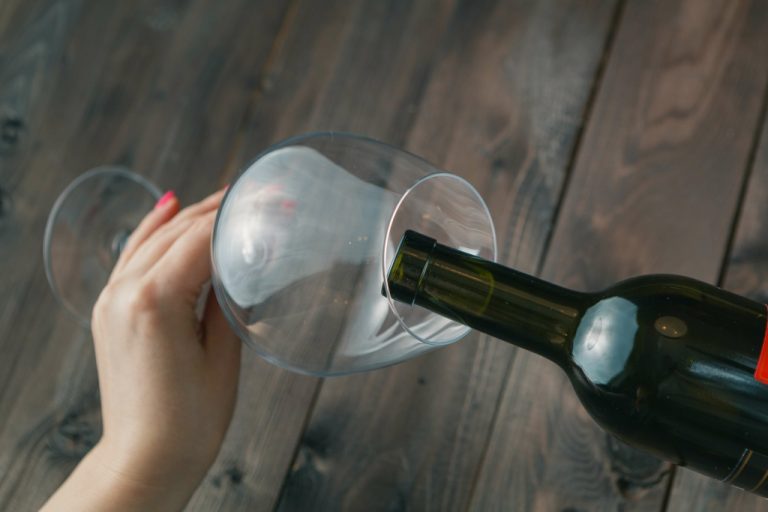
If you have alcohol intolerance, it’s wise to cut back on alcohol or quit drinking. Drinking with alcohol intolerance causes uncomfortable symptoms, and it also puts you at Drug rehabilitation greater risk for a range of potentially fatal diseases. Being intolerant to alcohol is different from being allergic to alcohol, and it’s not life-threatening.
Red wine contains higher histamine and sulfite levels, both of which can provoke flushing independent of ethanol. While complete avoidance is safest, targeted changes can let some people enjoy an occasional drink with fewer symptoms. Eureka is an AI doctor that listens, remembers, and never dismisses your concerns. Built for people who refuse to settle for „just get more sleep” as medical advice.